Have you been trying to find tips around How to Repair and Prevent Bathroom Water Damage??
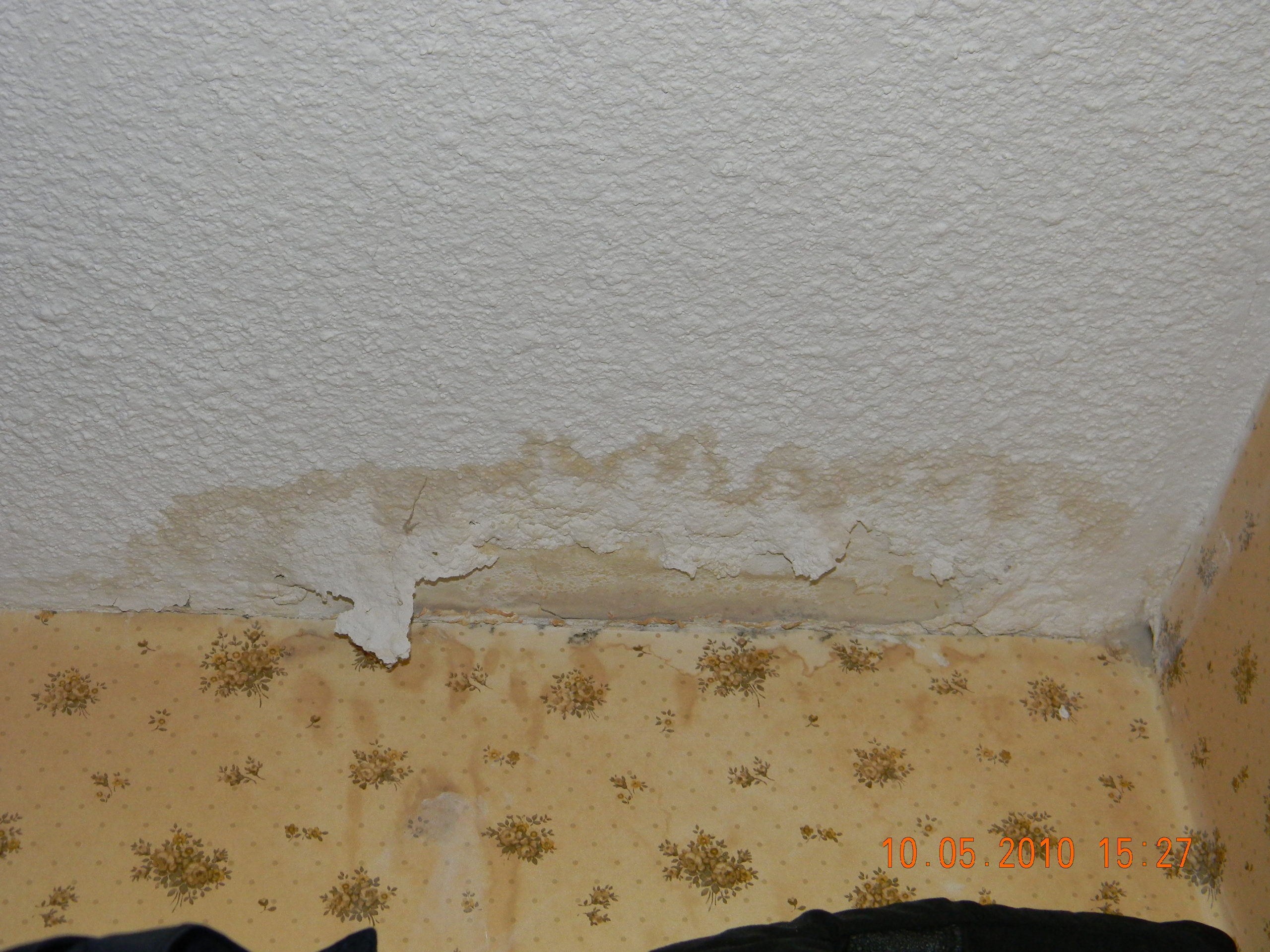
Water damage often occurs in the bathroom due to the water used day-to-day. In some cases, the damages could be a little mold from the shower. Various other times, it's huge damages on your floor. Whatever it is, it is constantly good to understand the cause as well as prevent it prior to it takes place.
This guide will certainly go through several of the common root causes of water damage in the bathroom. We will certainly additionally examine what you can do to stop these causes from harming your washroom. Let's dive in.
These are the typical factors you would have water damage in your bathrooms as well as just how you can spot them:
Excess Wetness
It's trendy to have that long shower and also splash water while you dance around and also act like you're doing, yet sometimes these acts might create water damage to your bathroom.
Sprinkling water around can create water to go to edges and also form molds. Enjoy how you spread excess wetness around, and also when you do it, clean it up to stop damage.
Fractures in your wall surface tiles
Restroom wall surface floor tiles have been specifically created for that purpose. They secure the wall surface from wetness from individuals taking showers. Nonetheless, they are not unbreakable.
Occasionally, your bathroom wall ceramic tiles fracture as well as permit some dampness to seep into the wall. This might possibly ruin the wall surface if you do not take any action. If you discover a fracture on your wall surface floor tiles, repair it immediately. Don't wait up until it ruins your wall surface.
Overruning commodes and also sinks
As human beings, sometimes we make mistakes that could cause some water damage in the restroom. For instance, leaving your sink faucet on might cause overflowing and damages to various other parts of the washroom with dampness.
Additionally, a faulty toilet could cause overflowing. For example, a broken toilet handle or other parts of the tank. When this takes place, it can harm the flooring.
As quickly as you observe an overflowing sink or bathroom, call a plumbing to assist handle it right away.
Burst or Leaking Pipes
There are many pipelines lugging water to various parts of your shower room. Some pipes take water to the bathroom, the sink, the taps, the shower, and also several various other locations. They crisscross the little area of the bathroom.
Every now and then, these pipelines might obtain rustic as well as burst. Various other times, human activity might cause them to leakage. When this takes place, you'll discover water in the corners of your washroom or on the wall surface.
To find this, look out for gurgling wall surfaces, molds, or mildew. Call a specialist emergency situation plumbing technician to fix this when it happens.
Roof covering Leaks
Sometimes, the trouble of water damage to the shower room might not originate from the shower room. For instance, a roof leakage could create damage to the bathroom ceiling. You can detect the damage done by looking at the water discolorations on the ceiling.
If you discover water discolorations on your ceiling, check the roof covering to see if it's damaged. After that, call an expert to help fix the issue.
Verdict
Water damage to your restroom can be annoying. Nevertheless, you can handle it if you protect against some of the reasons discussed in this overview. Call an expert emergency situation plumbing if you see any type of severe damage.
How to Repair a Water-Damaged Wall in the Bathroom
All you need to know to repair bathroom wall water damage – from identifying the water source to finishing the repair professionally. If you don’t act quickly to resolve a water damage problem, you could find that it develops into a mold issue and/or cause structural damage to your home. Follow this guide to repair your bathroom before it's too late.
All you need to know to repair bathroom wall water damage
Water damage is a common household problem, and one that, if left unrepaired, can quickly lead to structural problems and health issues. The two most likely rooms where water damage may occur is the bathroom and the kitchen – where water is used often and there is high humidity.
What is water damage?
It is easy to think of water damage as caused by a flood or leaking tap or burst water pipe. However, when water damage is assessed, there are three main categories into which water falls (as classified by the American National Standards Institute). These categories are defined as:
Category 1 Water – ‘Clear Water’
This is sanitary water. There is usually no major threat to health by washing with this water, drinking it, or inhaling if it is streaming. Most water that enters your home will be category 1 water, while most water leaving your home will be either category 2 or 3 water. It may also come from melting snow, rainwater and water tanks.
Damage caused by this type of water can usually be repaired or restored, though this doesn’t mean that there are no potential health issues.
Category 2 Water – ‘Grey Water’
This is contaminated water – sometimes considerably so – and will cause illness if consumed or if it comes into contact with your skin. Water damage in this category is often caused by overflows from toilet bowls, and damage to washing machines and dishwashers. While damaged items might still be repaired or restored after damage by grey water, it is more difficult and more expensive to do so.
If the water damage in your home has been caused by grey water, it is advisable to have repairs made by professionals.
Over time, grey water will deteriorate and become black water.
Category 3 Water – ‘Black Water’
Category 3 water, also known as black water, is highly contaminated and a great risk to health. This may contain raw sewage, heavy metals, and other toxic substances. It will smell terrible.
If this is the water that has caused damage in your bathroom, do not touch it. Stop the water flowing if possible, seal the room and call the experts: it really isn’t worth the risk of ill health and disease that could be fatal. It is very unlikely that items can be repaired or restored if they have been damaged by black water.
https://www.porterscleaning.com/blog/how-to-repair-a-water-damaged-wall-in-the-bathroom/

I was made aware of that write-up on How to Repair and Prevent Bathroom Water Damage? through a good friend on our other web address. Sharing is nice. Helping others is fun. I love reading our article about How to Repair and Prevent Bathroom Water Damage?.
Get Offer